

Pirangi Beach
Pirangi is famous for its natural pools and the world’s largest cashew tree — and for waters that invite snorkeling on favorable tides.
- What
- Pirangi is a South Coast RN beach known for tidal natural pools and the world’s largest cashew tree.
- Where
- Between Parnamirim and Nísia Floresta, Rio Grande do Norte, Brazil.
- When
- Best at low tide; check the tide chart before you go.
- Why
- Proximity to Natal, infrastructure, and the classic natural-pool experience.
- How
- Car or transfer via Rota do Sol; arrive before peak low tide.
- Who
- Families, beginners, and first-time South Coast travelers.
- Difficulty
- Easy in the pools; moderate if windy or rough.
- Cost
- Access varies (some areas charge); budget for food, parking, and snorkel rental.
- Best season
- Year-round with planned tides.
- Tips
- Combine pools + cashew tree in one day; avoid weekends if you want quiet.


History
Pirangi grew as a weekend destination for Natal locals and international visitors seeking calm seas and simple infrastructure.
Geography
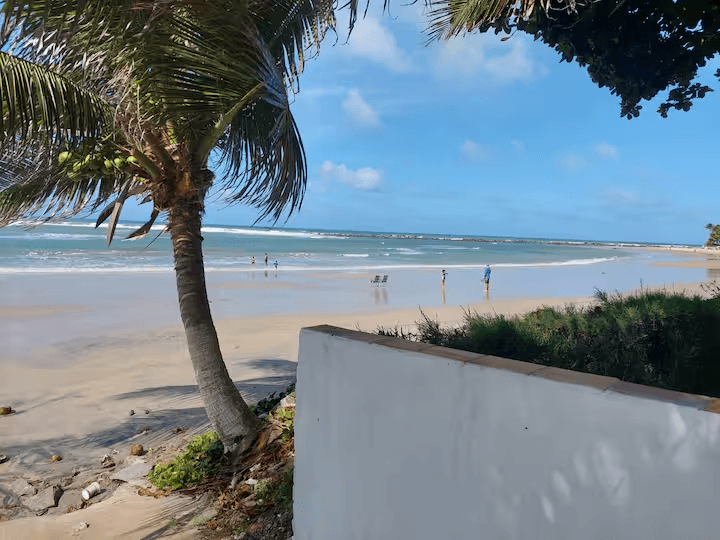
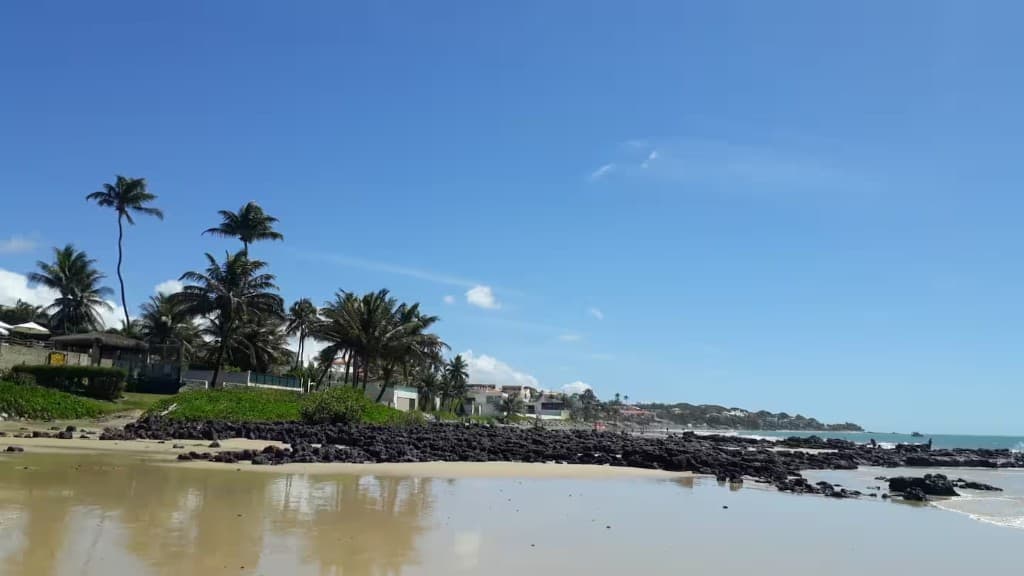
Split into North and South Pirangi, the area features coastal reefs that form natural pools at low tide.
| Water temp | 26–29°C |
|---|---|
| Visibility | 4–12 m |
| Best time | Low tide is essential for the natural pools and best shallow snorkeling. |
| Tides | Check the day’s tide chart; the pool window is usually a few hours. |
Tides & snorkel windows
Check the day’s tide chart; the pool window is usually a few hours.
Today’s best windows
- 22:42–01:42Low 00:12 · 0.4 m
- 10:59–13:59Low 12:29 · 0.51 m
Tide table (Natal station)
| Date | Low / High | Height |
|---|---|---|
| Tue, Sep 15 | 00:12Low | 0.4 m |
| Tue, Sep 15 | 06:42High | 2.13 m |
| Tue, Sep 15 | 12:29Low | 0.51 m |
| Tue, Sep 15 | 18:55High | 2.1 m |
| Wed, Sep 16 | 00:51Low | 0.55 m |
| Wed, Sep 16 | 07:16High | 1.94 m |
| Wed, Sep 16 | 13:04Low | 0.66 m |
| Wed, Sep 16 | 19:31High | 1.95 m |
| Thu, Sep 17 | 01:32Low | 0.69 m |
| Thu, Sep 17 | 08:01High | 1.76 m |
| Thu, Sep 17 | 13:49Low | 0.82 m |
| Thu, Sep 17 | 20:16High | 1.81 m |
Guidance only — always check local sea conditions and prefer a guide when unsure. Natural pools need low to mid tide.
Source: Marinha do Brasil · Porto de Natal (via Tábua de Marés API)
How to get there
From Natal, take the Rota do Sol (RN-063). Pirangi is about a 25–40 minute drive, depending on traffic.
Parking
Paid lots and informal areas near the pools and cashew tree. Do not leave valuables visible.
Accessibility
More accessible urban shoreline stretches; reaching the pools may require walking on sand and rock.
Natural pools
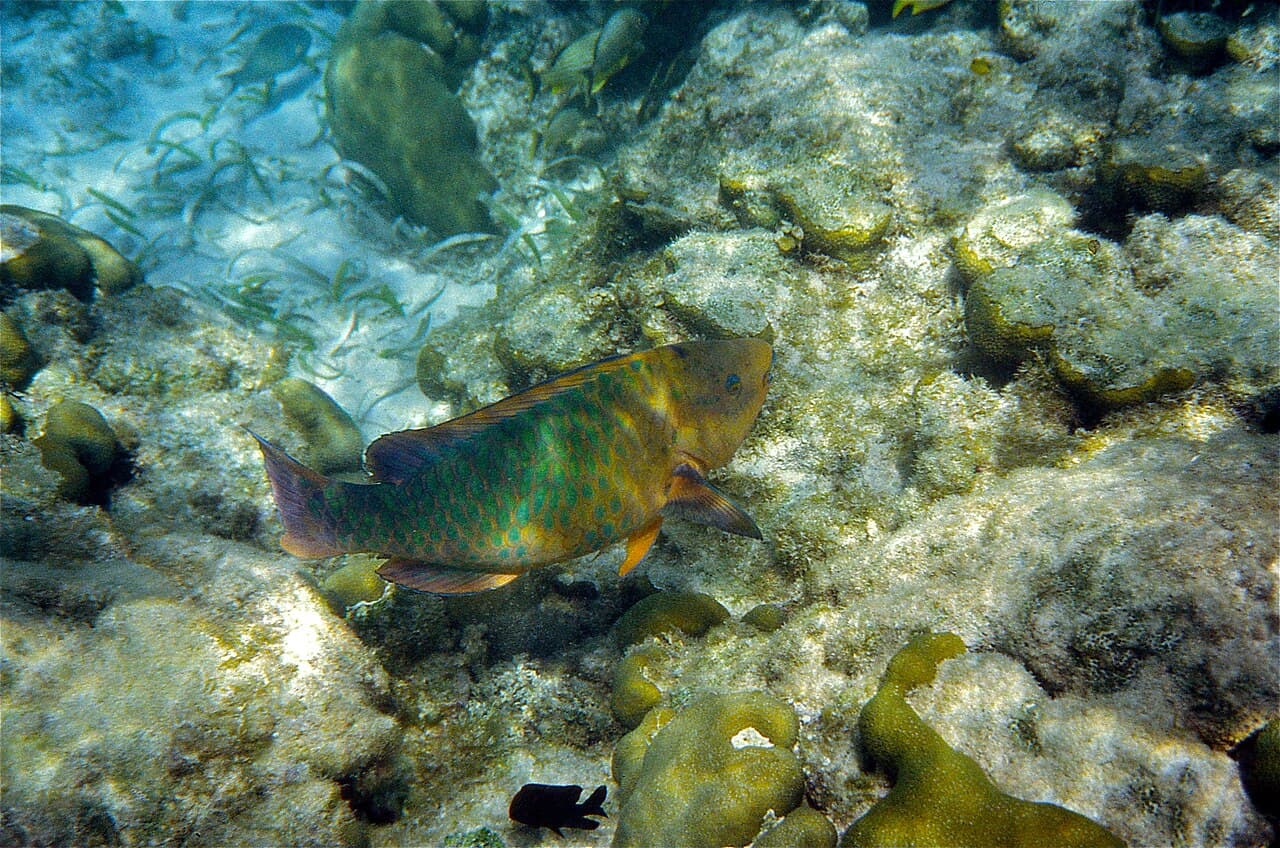
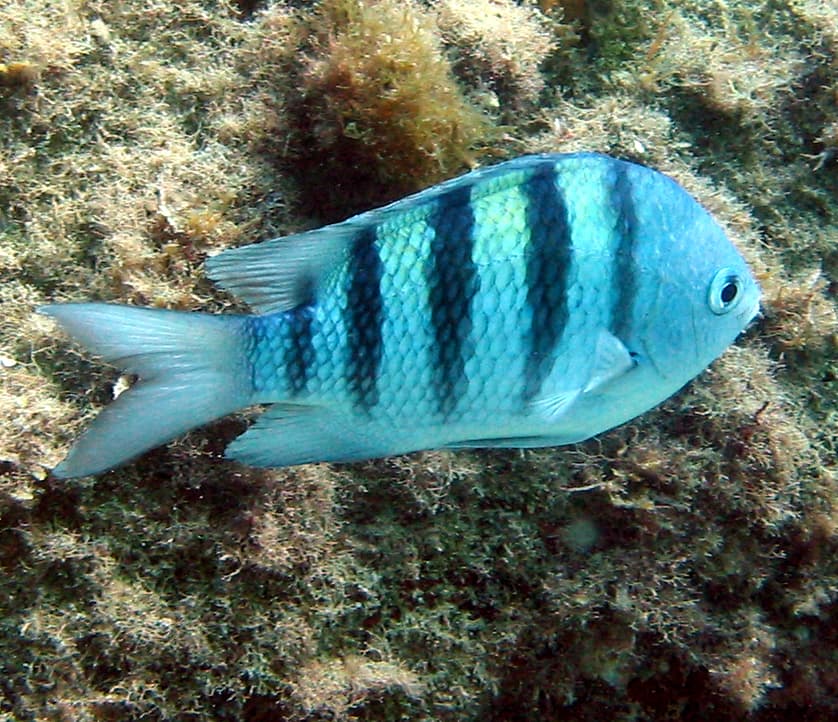
Pirangi’s natural pools are the signature experience: warm water, small fish, and relatively easy access at low tide.
Safety
In the pools, wear water shoes; follow signs and avoid touching coral and urchins.
Family
Very popular with families; supervise children on wet rocks and near current areas.
Photography
Low-tide pools mid-morning give saturated colors; drones (where allowed) reveal the reef mosaic.
Drone
Avoid flying over crowded pools; respect local restrictions and privacy.
FAQ
At what tide are Pirangi pools accessible?
Pirangi's natural pools appear at low tide — the useful window is usually about 2–3 hours centered on peak low tide. Check the Natal/Parnamirim tide chart the day before. South Pirangi has the most famous pools; North Pirangi has less crowded stretches.
Pirangi or Búzios: which to choose?
Choose Pirangi for classic pools, proximity to Natal (25–40 min), and beach-shack infrastructure — but expect more crowds. Choose Búzios for a quieter vibe, reefs with good marine life, and a base at DiveBuzios House halfway between both. Best is combining both over 2–3 days, planning each beach's tides.
Continue exploring
Nearby dive sites

Nearby snorkeling
Where to stay
Nearby restaurants


Related beaches
Snorkel, tides, and dive guides for Búzios Beach and Pirangi (RN) near Natal — not Armação dos Búzios (RJ).