
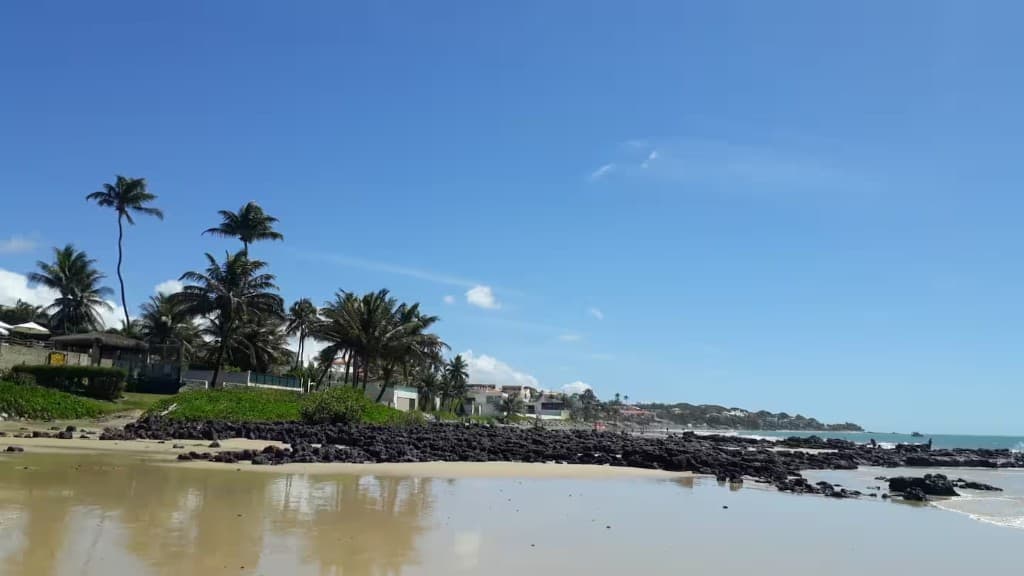
Búzios Beach
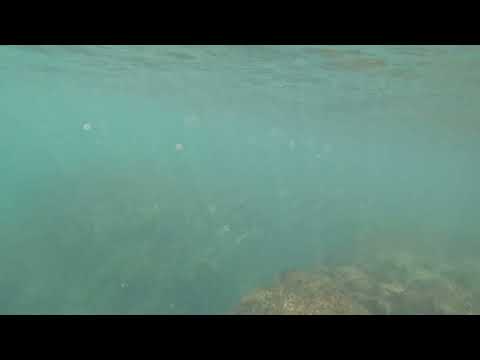
Búzios Beach is one of the South Coast of Rio Grande do Norte’s best-kept secrets: clear water, nearby reefs, and a calm atmosphere ideal for family snorkeling and diving.
- What
- Búzios Beach is a reef-fringed beach on RN’s South Coast, ideal for snorkeling and calm coastal tourism.
- Where
- Nísia Floresta, Rio Grande do Norte, Brazil — South Coast.
- When
- Best on low-tide mornings year-round, especially on calm-sea days.
- Why
- It combines accessibility, nearshore marine life, and a less crowded atmosphere.
- How
- By car via Rota do Sol from Natal; pair with gear rental and a local guide.
- Who
- Families, snorkel beginners, couples, and nature photographers.
- Difficulty
- Easy to moderate, depending on tide and wind.
- Cost
- Beach access is free; budget for informal parking, food, and gear rental.
- Best season
- Year-round, preferring calm-sea days.
- Tips
- Check the tide chart and bring water, mineral sunscreen, and water shoes.
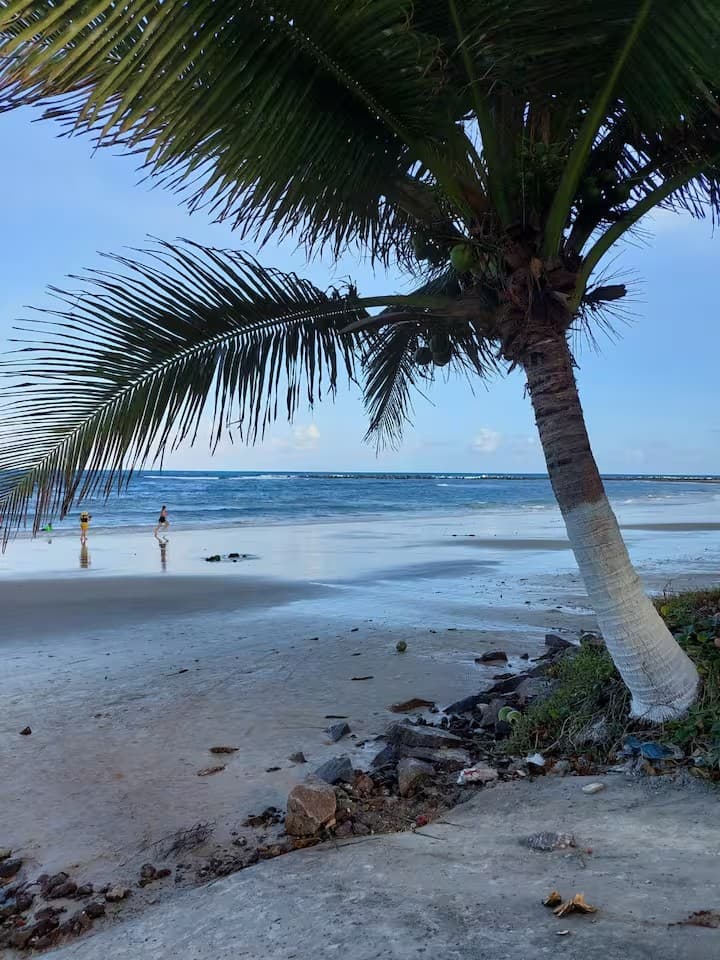
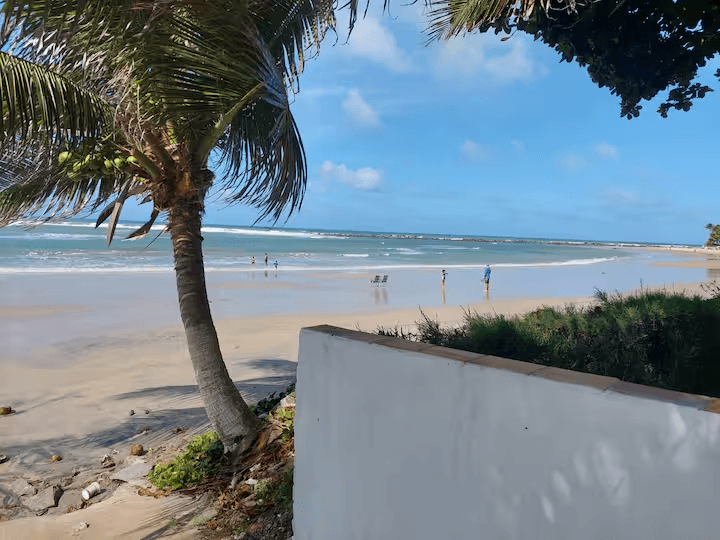
History
Historically tied to artisanal fishing and nature tourism, Búzios has kept a quieter profile than mass-market Northeast destinations.
Geography
Located in Nísia Floresta municipality, the beach combines sand, rocky formations, and natural pools at low tide.
| Water temp | 26–29°C |
|---|---|
| Visibility | 5–15 m |
| Best time | Mornings with low tide and light wind offer the best visibility. |
| Tides | Natural pools and shallow snorkeling work best at low to mid tide. |
Tides & snorkel windows
Natural pools and shallow snorkeling work best at low to mid tide.
Today’s best windows
- 22:42–01:42Low 00:12 · 0.4 m
- 10:59–13:59Low 12:29 · 0.51 m
Tide table (Natal station)
| Date | Low / High | Height |
|---|---|---|
| Tue, Sep 15 | 00:12Low | 0.4 m |
| Tue, Sep 15 | 06:42High | 2.13 m |
| Tue, Sep 15 | 12:29Low | 0.51 m |
| Tue, Sep 15 | 18:55High | 2.1 m |
| Wed, Sep 16 | 00:51Low | 0.55 m |
| Wed, Sep 16 | 07:16High | 1.94 m |
| Wed, Sep 16 | 13:04Low | 0.66 m |
| Wed, Sep 16 | 19:31High | 1.95 m |
| Thu, Sep 17 | 01:32Low | 0.69 m |
| Thu, Sep 17 | 08:01High | 1.76 m |
| Thu, Sep 17 | 13:49Low | 0.82 m |
| Thu, Sep 17 | 20:16High | 1.81 m |
Guidance only — always check local sea conditions and prefer a guide when unsure. Natural pools need low to mid tide.
Source: Marinha do Brasil · Porto de Natal (via Tábua de Marés API)
How to get there
From Natal, take the Rota do Sol / RN-063 toward Nísia Floresta and follow signs to Búzios Beach. The drive usually takes 50–70 minutes.
Parking
Informal parking is available near the shore. On weekends and holidays, arrive early.
Accessibility
Access is mostly sand and uneven ground. Wheelchairs may need assistance; check conditions on the day.
Natural pools
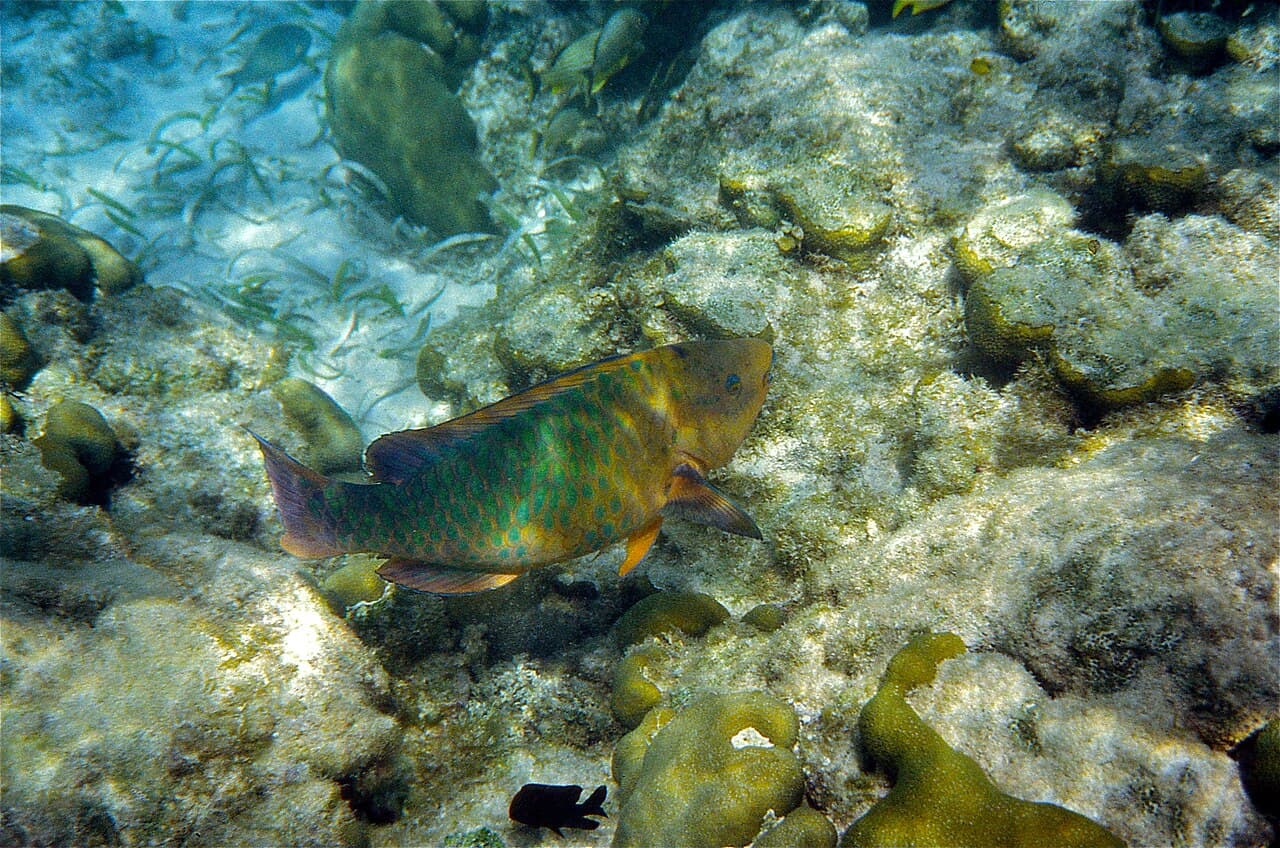
At low tide, natural pools form among reefs — excellent for watching shallow-water fish.
Safety
Respect currents, wear a vest if you are a beginner, and never snorkel alone near reefs.
Family
Shallow low-tide areas suit families with constant supervision.
Photography
Golden light early morning; use a polarizer to cut water glare.
Drone
Fly only where allowed, away from people and wildlife zones; prefer calm sunrise conditions.
FAQ
What is the best tide for snorkeling at Búzios?
Low to mid tide is ideal: natural pools between reefs become accessible and shallow visibility improves. Arrive 1–2 hours before peak low tide and prefer calm mornings with light wind (common May through November). Avoid reef-edge snorkeling on a strong incoming tide or rough seas.
Where to park at Búzios?
Informal parking runs along the beach access road, operated by locals (usually R$ 10–20). Holidays and Sundays fill early — arrive before 8 a.m. or stay at DiveBuzios House and drive over. Do not leave valuables visible in the car.
Continue exploring
Nearby dive sites
Nearby snorkeling
Where to stay
Nearby restaurants

Travel guides
Related beaches

Snorkel, tides, and dive guides for Búzios Beach and Pirangi (RN) near Natal — not Armação dos Búzios (RJ).